Expand La Grâce Divine First Aid Post and Improve Healthcare Access in Rural Togo
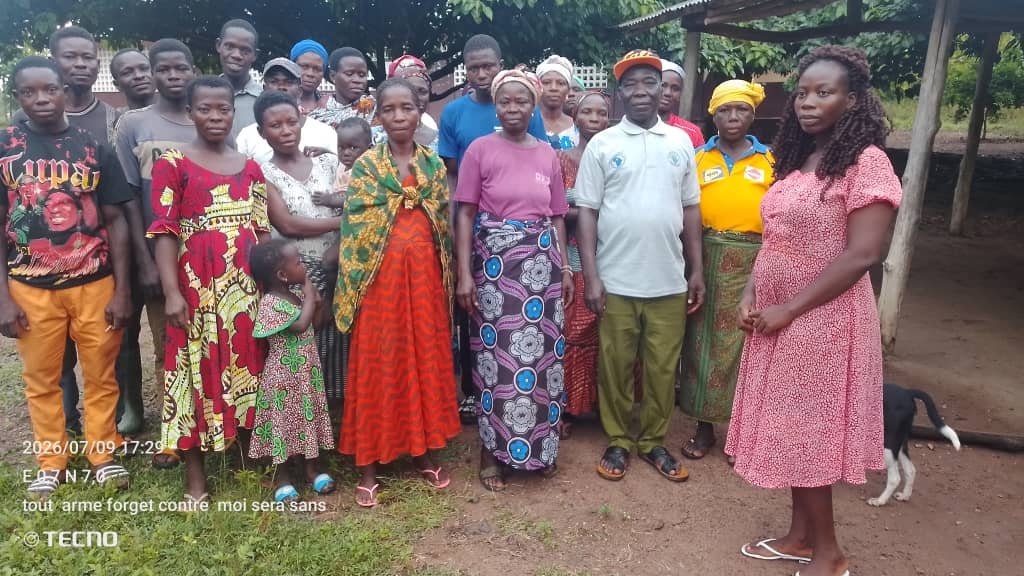
Project Gallery
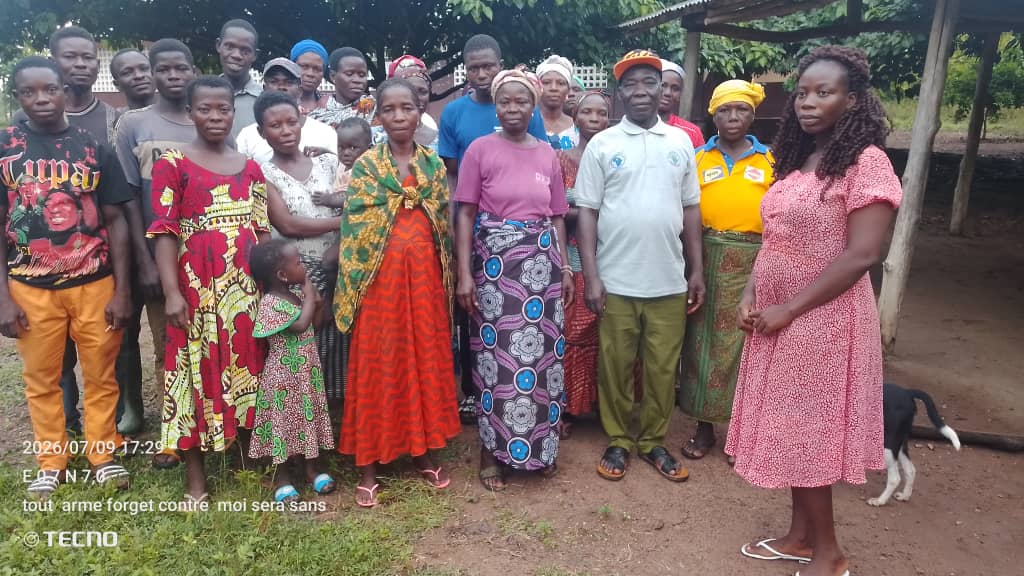
Strengthening Rural Healthcare in Togo: A Field Assessment of La Grâce Divine First Aid Post
By Give Right Foundation
Field Visit: June 20, 2026
Access to quality healthcare remains one of the greatest challenges facing rural communities across West Africa. While urban centers often benefit from hospitals and specialized medical services, many rural villages continue to rely on small community clinics that operate with limited resources. Yet these facilities frequently serve as the first—and often only—point of care for thousands of people.
On June 20, 2026, the Give Right Foundation conducted a field assessment in the village of Kpétassi, located in the Kpélé Prefecture of Togo's Plateaux Region. The purpose of the visit was to evaluate the operating conditions of La Grâce Divine First Aid Post, assess the healthcare needs of the surrounding communities, and identify opportunities to strengthen primary healthcare services in this underserved rural area.
A Strategic Rural Community
Kpétassi is situated approximately seven kilometers from the canton of Akata and the nearest paved road. Although accessible by an improved dirt road, the village remains relatively isolated from larger healthcare facilities.
Despite its rural setting, Kpétassi serves as an important healthcare hub for nearly seven neighboring villages, including Akata. The most distant community lies approximately fifteen kilometers away, making local access to healthcare essential for many families.
The health center's catchment area is estimated to include between 1,500 and 2,000 residents, many of whom depend almost entirely on the clinic for routine medical consultations, nursing care, wound treatment, first aid, prenatal services, and management of common illnesses. Without this facility, patients would often be forced to travel significant distances to the Akata Prefectural Health Unit, delaying treatment and increasing healthcare costs.
A Community Initiative Making a Difference
La Grâce Divine First Aid Post was established on November 11, 2025, through the dedication and personal commitment of Mrs. NYAKPO Adzowa Anne, a professionally trained registered nurse determined to bring healthcare closer to underserved populations.
Operating as a privately managed, community-based health initiative, the clinic has quickly earned the confidence and trust of local residents.
Although modest in size, the facility has become an indispensable resource for families throughout the surrounding villages.
Limited Resources, Extraordinary Commitment
The clinic currently occupies a small cement-block building consisting of three adjoining rooms, each measuring approximately ten square meters.
The facility is rented at a modest cost of 2,500 CFA francs per room, with each space serving a specific purpose:
- One room functions as the nurse's living quarters.
- One room serves as the consultation office.
- One room is dedicated to patient treatment.
The consultation room contains only a desk and three chairs, while the treatment room is equipped with two non-adjustable examination beds and two intravenous (IV) stands.
Despite these limited resources, the clinic provides essential healthcare services every day, demonstrating how determination and community commitment can overcome significant challenges.
From Agricultural Office to Rural Health Center
The story of the building itself reflects the resilience of the project.
The structure originally served as the veterinary office of a 72-hectare agricultural complex that has been inactive for several years. Located behind the former farm residence, the building stood unused until Mrs. Nyakpo leased it from the farm caretaker.
Recognizing the urgent healthcare needs of the community, she personally financed the renovations required to transform the abandoned structure into a functioning health facility.
Today, what was once an empty office has become a lifeline for hundreds of families.
Strong Community Support
One of the most encouraging findings of the assessment was the overwhelming support demonstrated by the local community.
Residents consistently choose La Grâce Divine First Aid Post as their first point of care, seeking treatment there before traveling to larger health facilities in Akata or Kpalimé when specialized medical services are required.
The clinic has also developed an excellent relationship with the village's traditional leadership.
Recognizing its importance to community health, the village chief and council of elders have generously donated approximately 1,800 square meters of land for the future expansion of the health center.
This remarkable contribution reflects the community's confidence in the project and its commitment to ensuring that quality healthcare remains accessible for future generations.
Looking Ahead
The field assessment clearly demonstrated that La Grâce Divine First Aid Post plays a vital role in improving access to primary healthcare for Kpétassi and the surrounding villages.
However, the clinic's ability to meet growing healthcare demands is constrained by limited infrastructure, medical equipment, and clinical space. Strategic investment will be essential to expand services, improve patient care, and strengthen emergency response capacity.
The Give Right Foundation envisions transforming this modest first aid post into a comprehensive rural health center equipped to provide high-quality primary healthcare, maternal and child health services, diagnostic capabilities, and community health education.
Such an investment would not only improve health outcomes but also reduce unnecessary referrals, lower healthcare costs for families, and strengthen the overall health system in this underserved region.
A Shared Opportunity
The story of La Grâce Divine First Aid Post is a powerful reminder that lasting change often begins with the commitment of one individual and the support of an entire community.
With continued partnership and investment, this small rural clinic can become a model for community-based healthcare in Togo, ensuring that thousands of people have access to the quality healthcare they deserve.
The Give Right Foundation invites partners, donors, volunteers, and friends to join us in expanding this vital initiative. Together, we can build a healthier future for the people of Kpétassi and surrounding communities - one patient, one family, and one village at a time.