Villages of Kpélé Kpétasi and Kpélé Akanu – Plateaux Region (near Kpalimé, Togo)
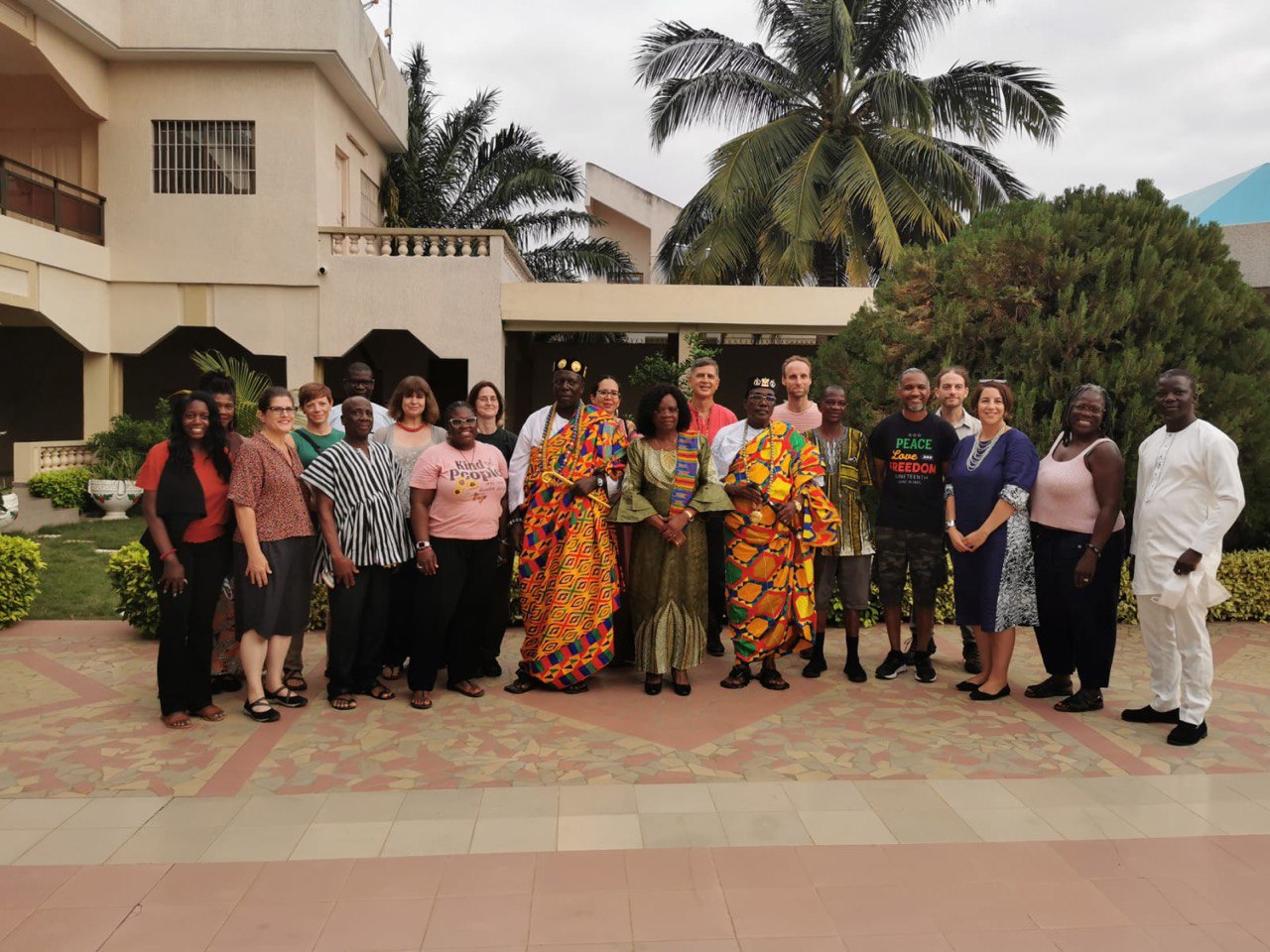
1. Background and Purpose of the MissionThe Give Right Foundation conducted an observation mission in two rural villages of the Kpélé Akata canton:Kpélé KpétasiKpélé AkanuThe objective was to document the living conditions of the local population and identify the main challenges affecting their heal...
Objectives
2. Geographic Location and Accessibility
The two villages are in a remote rural area of the Plateaux Region.
Access is via a road in very poor condition, making travel and emergency interventions difficult. Although the villages are approximately 27 kilometers from the city of Kpalimé, the poor state of the roads makes the journey challenging and sometimes dangerous.
This isolation limits access to public services and basic infrastructure.
3. Access to Safe Drinking Water: A Critical Issue
Access to safe drinking water is the primary challenge facing the local population.
Findings
Residents have no access to a potable water supply system.
The population relies entirely on a river called Aka for drinking, cooking, bathing, and other household needs. Water is collected directly from the river without any treatment.
During the rainy season, flooding makes the river difficult to access, and the absence of a bridge sometimes prevents crossing altogether.
Health Impact
This situation exposes the population to several health risks, including:
- Waterborne diseases (diarrhea, cholera, typhoid fever)
- Parasitic infections
- Water contamination during periods of flooding
Social Impact
In some cases, children walk up to 8 kilometers per day to fetch water, negatively affecting school attendance and family well-being.
4. Lack of Electricity
The villages do not have access to electricity despite being relatively close to electrified areas.
According to residents:
- The nearest electrical grid is approximately 7 to 14 kilometers away.
- The lack of electricity limits economic activities, access to information, and students’ ability to study effectively.
The absence of electricity also hinders the operation of potential healthcare services.
5. Access to Healthcare
Access to healthcare is a major concern.
The Give Right Foundation in collaboration with Ms. Anna, a trained nurse, operates a small informal community clinic with very limited capacity, serving the populations of both villages.
Challenges Observed
- Absence of nearby healthcare facilities
- Long distances to reach a health center
- Transportation difficulties due to poor road conditions
Women and children are the most vulnerable, particularly regarding prenatal care, childbirth, and emergency medical services.
6. Community Perspective and Appeal to Authorities
Residents express a strong sense of abandonment and are calling for urgent intervention from government agencies, humanitarian organizations, and development partners.
7. Priority Needs Identified
Water and Sanitation
- Drilling of wells or installation of potable water systems
- Installation of hydraulic pumps
- Community education on hygiene and water treatment
Infrastructure
- Construction of a bridge over the Aka River
- Improvement of access roads
Healthcare
- Establishment of a community health post
- Deployment of mobile medical missions
- Maternal and child health programs
Energy
- Rural electrification or community-based solar energy solutions
8. Conclusion
The situation observed in the villages of Kpélé Kpétasi and Kpélé Akanu illustrates the persistent challenges faced by many rural communities.
The lack of access to safe drinking water, infrastructure, and healthcare services places the population in a state of significant health and social vulnerability.
A coordinated effort involving humanitarian organizations, public authorities, and development partners is essential to sustainably improve the living conditions of these communities.